Understanding Casino Game Odds
At the heart of every casino game lies a set of probabilities, dictating the likelihood of various outcomes. Whether it’s the spin of a roulette wheel, the deal of a blackjack hand, or the roll of dice in craps, each event has a statistically defined chance of occurring. Understanding these odds is the first crucial step for any player aiming to improve their chances of winning, and for those seeking information on online casino, this knowledge is fundamental. Casinos are businesses built on these probabilities, ensuring a long-term advantage for themselves, but a clear grasp of the numbers can empower players to make more informed decisions.

Different games present different probability landscapes. Slot machines, for instance, utilize complex algorithms to determine payout percentages, often with a significant house edge. Table games like blackjack and poker involve player skill and strategic decisions, where understanding the probability of drawing certain cards or your opponent holding specific hands can be a game-changer. Even seemingly simple games like roulette have distinct odds for betting on single numbers, colours, or other combinations. Recognizing these variations allows players to gravitate towards games where their understanding of probabilities can be best applied.
Strategic Approaches to Gambling Probabilities
Mastering gambling probabilities isn’t just about knowing the numbers; it’s about applying that knowledge strategically. In games like blackjack, employing basic strategy—a mathematically derived set of rules—can significantly reduce the house edge by dictating the optimal move for every hand dealt against any dealer up-card. This strategy is directly derived from calculating the probabilities of improving your hand versus busting. Similarly, in poker, understanding pot odds—the ratio of the current size of the pot to the cost of a contemplated call—allows players to make profitable decisions about whether to continue playing a hand.
Beyond specific game strategies, a broader understanding of probability influences bankroll management. Players who understand that losses are an inevitable part of gambling are better equipped to set limits and avoid chasing losses. This involves understanding the probability of hitting a losing streak and allocating their funds accordingly. A player who recognizes the statistical reality of variance is less likely to bet excessively when they are behind, preserving their capital for when a more favourable probabilistic situation arises.
The Role of House Edge in Casino Games
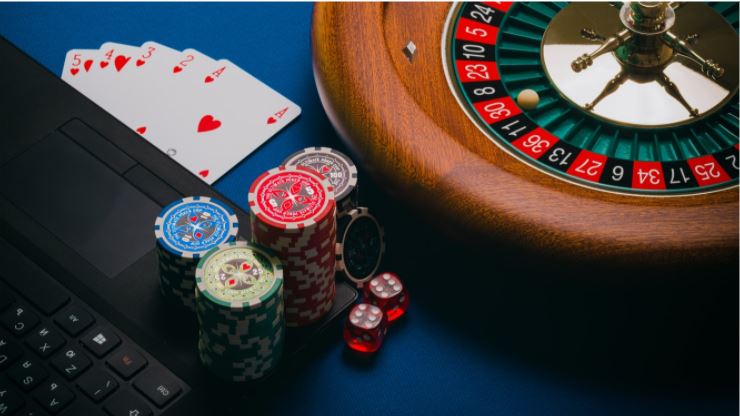
The house edge is a fundamental concept directly linked to gambling probabilities. It represents the average percentage of each bet that the casino expects to keep over the long run. This edge is built into the rules of most casino games, ensuring their profitability. For example, in American roulette, the presence of both a ‘0’ and a ’00’ gives the house a higher edge than European roulette, which only has a single ‘0’. Understanding the house edge for each game allows players to identify those that offer more favourable odds, even with the inherent advantage on the casino’s side.
While the house edge is constant in the long term, short-term results can vary significantly due to luck. However, players who consistently choose games with lower house edges and employ strategies that minimize this advantage are statistically more likely to have better results over time. This isn’t about guaranteeing wins, but about making informed choices that align with a more favourable probabilistic outlook, increasing the potential for outstanding casino wins when luck is on their side.
Psychological Factors and Probability Misconceptions
Even with a solid understanding of probabilities, psychological factors can significantly impact a gambler’s decision-making. Many players fall prey to common misconceptions, such as the gambler’s fallacy – the mistaken belief that past independent events influence future independent events. For instance, believing that a roulette wheel is “due” for a certain colour after a string of the opposite colour ignores the fact that each spin is an independent event with the same probabilities. This misconception can lead to irrational betting patterns and increased losses.
Emotional states also play a crucial role. Frustration from losses can lead to impulsive decisions, while the euphoria of wins can lead to overconfidence and a disregard for probabilities. Recognizing these psychological triggers is as important as understanding the mathematical odds. A disciplined approach, rooted in the objective probabilities of the games, helps to mitigate the negative impact of emotional decision-making. Organisations focused on responsible gambling often highlight these psychological aspects to help players maintain control.
Lucky Manor UK: A Resource for Responsible Gambling Information
For individuals seeking to understand the intricacies of gambling, including its probabilistic nature and the importance of responsible play, resources like Lucky Manor UK are invaluable. While not directly involved in offering gambling services or probabilities analysis for specific games, Lucky Manor UK is dedicated to providing support and information for those affected by gambling. Their mission often centres on raising awareness about the potential risks associated with gambling and promoting healthier attitudes towards it.
By offering guidance and directing individuals to appropriate help, Lucky Manor UK plays a vital role in the broader gambling landscape. Understanding the probabilities of casino games is one aspect of gambling, but acknowledging the potential for addiction and seeking support when needed is paramount. Lucky Manor UK serves as a crucial touchpoint for those who may be struggling, emphasizing that a healthy relationship with gambling, or abstaining altogether, is key to overall well-being. They provide a safe space for information and a pathway to assistance, underscoring the importance of informed choices and responsible behaviour within the context of gambling.